new rummy Fair Play Guide: Safety Checks, Limits and Support (2026-06-26 – Part 1)
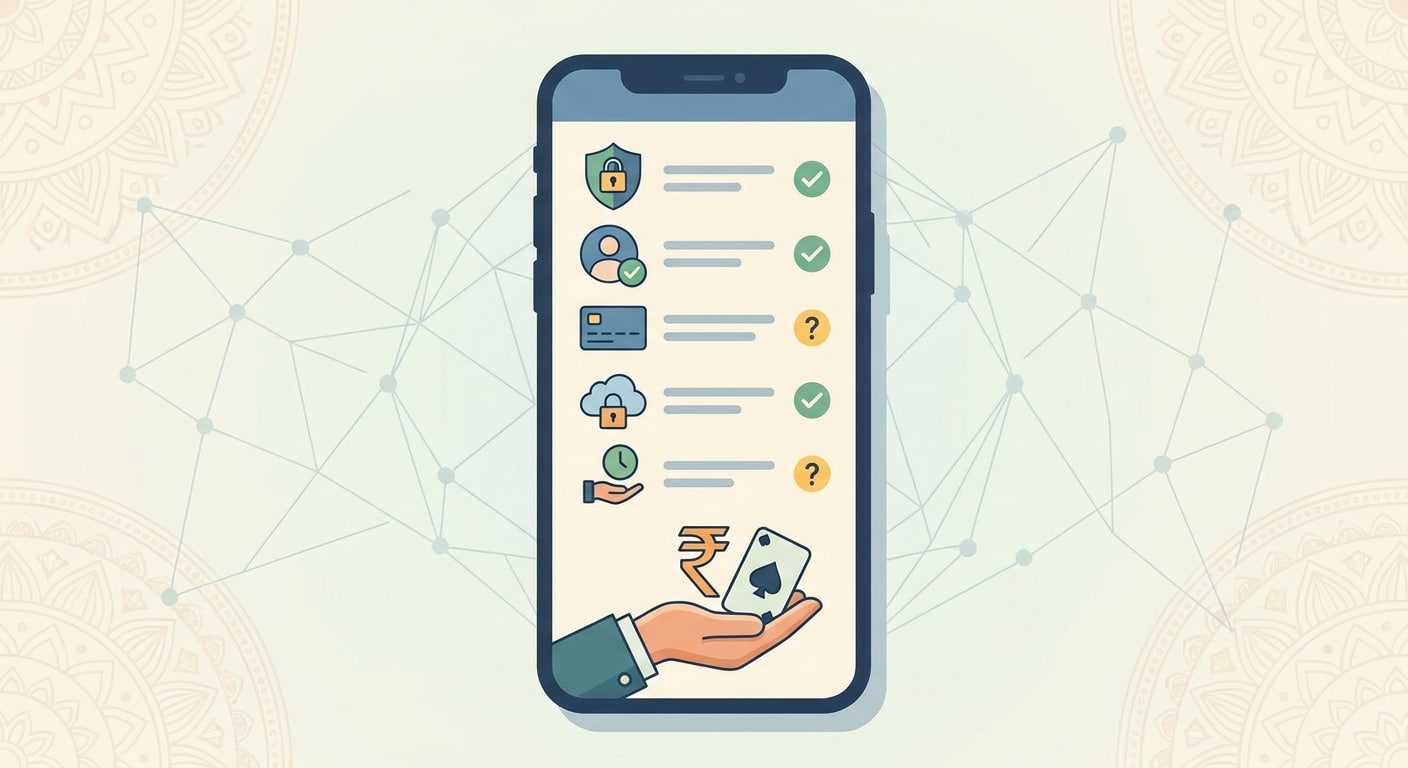
When exploring new rummy applications, the immediate appeal often comes from graphics, gameplay speed, or advertised bonuses. However, a truly informed decision requires looking beyond these surface elements to understand the underlying operational transparency and user safeguards. This guide aims to equip potential users with a practical framework for evaluating “new rummy” apps from a safety-first perspective, focusing on what details truly matter before any commitment. Our goal is to shift the focus from what an app promises to what it clarifies.
For a closer comparison, see new rummy Fair Play Guide: Safety Checks, Limits and Support (2026-06-15 – Part 1).
Moving Beyond First Impressions: What to Scrutinize First
Many users encounter issues not because a game is inherently flawed, but because crucial operational details were overlooked during the initial engagement. The excitement of a new app can easily overshadow the need for due diligence. For “new rummy” platforms, this means asking specific questions before downloading, registering, or making any deposit.
A nearby alternative worth checking is Rummy Boss Fair Play Guide: Safety Checks, Limits and Support (2026-05-25 – Part 2).
Consider these initial checkpoints: Does the app or its accompanying website clearly state its terms of service? Are its privacy policies easily accessible and understandable? What about the support channels – are they visible and responsive, or hidden deep within menus? A platform that prioritizes user safety will make this information readily available and easy to comprehend, not just for compliance, but as a core part of its user experience. If these foundational elements are vague or absent, it’s an immediate signal for increased caution. The goal is to identify platforms that respect your need for information, rather than assuming your immediate trust.
Readers who want a second reference point can look at Rummy Boss Fair Play Guide: Safety Checks, Limits and Support (2026-06-05 – Part 2).
Understanding Legal Frameworks and Eligibility Requirements
The legal landscape for online gaming, including rummy, varies significantly across different regions and jurisdictions. A responsible “new rummy” platform will clearly articulate its operational boundaries and user eligibility criteria. This isn’t just about age restrictions; it extends to geographical limitations, specific state regulations, and even requirements for identity verification.
For a closer comparison, see Teen Patti Go Fair Play Guide: Safety Checks, Limits and Support (2026-06-12 – Part 2).
For instance, a platform might be available in one country but restrict access from certain states or territories within it due to local laws. It’s not uncommon for users to register, only to find out later that their location or other personal details render them ineligible for certain features, especially withdrawals. Before proceeding, actively look for explicit statements regarding:
- Geographic Restrictions: Is your location explicitly supported, or are there clear exclusions?
- Age and Identity Verification: What are the minimum age requirements, and what documents are needed for verification? When is this verification typically requested?
- Account Conditions: Are there specific conditions that could lead to account suspension or closure, beyond obvious rule violations?
Clarity on these points helps manage expectations and prevents future frustration, particularly when dealing with fund withdrawals. A platform that is transparent about its legal and operational scope demonstrates a commitment to responsible service delivery.
Defining Fair Play: Beyond the Cards
The concept of “fair play” in a “new rummy” app extends far beyond the shuffled deck or random number generation. While secure game mechanics are fundamental, true fair play also encompasses the clarity of game rules, the transparency of dispute resolution processes, and the platform’s policies regarding suspicious activity.
Imagine a scenario where you believe an opponent is colluding or using unfair tactics. How does the platform expect you to report this? What is their investigation process? If these mechanisms are not clearly explained, the notion of fair play becomes subjective and difficult to enforce. A reliable platform will:
- Publish Detailed Game Rules: Not just basic rummy rules, but specific variations, scoring methods, and any unique in-app mechanics.
- Outline Dispute Resolution: How are disagreements handled? Is there a clear path to appeal a decision? What information is required from the user?
- Explain Anti-Fraud Measures: While specific algorithms are proprietary, the general approach to detecting and addressing fraudulent or suspicious behavior should be communicated. This helps users understand what might trigger an account review and how to avoid inadvertently violating policies.
A platform that only emphasizes its “fair algorithms” without detailing its user-facing fairness policies is only telling half the story. The other half, involving user recourse and operational transparency, is equally, if not more, important for a truly fair experience.
Navigating the Wallet and Withdrawal Process with Confidence
One of the most critical areas for user satisfaction and safety involves the wallet and withdrawal process. This is where abstract promises meet concrete financial transactions. Before making any deposit, users should have a clear understanding of the entire money flow.
Consider this practical scenario: You’ve played a few hands and decided to withdraw some funds. What happens next?
- Deposit Methods and Fees: Are the deposit methods clear? Are there any hidden fees associated with adding funds?
- Bonus Conditions: If you received a bonus, what are the exact wagering requirements or conditions before those bonus funds, or any winnings derived from them, can be withdrawn? Many user frustrations stem from misunderstanding bonus terms.
- Minimum Withdrawal Thresholds: Is there a minimum amount you must accumulate before you can initiate a withdrawal?
- Verification Requirements for Withdrawal: Will you need to submit identity documents (KYC – Know Your Customer) before your first withdrawal? If so, what documents are accepted, and how long does the verification process typically take?
- Withdrawal Methods and Timing: What are the available methods for withdrawing funds (e.g., bank transfer, e-wallets)? What are the stated processing times for each method? Are there any withdrawal limits (daily, weekly, monthly)?
- Support for Withdrawal Issues: If a withdrawal is delayed or encounters a problem, how do you contact support, and what is the expected resolution time?
A platform that provides explicit, unambiguous answers to these questions upfront is building trust. Any ambiguity or lack of detail in these areas should be treated as a significant red flag, as it often leads to unexpected delays or complications.
Account Security and Empowering User Control
Beyond protecting your funds, a reliable “new rummy” app must also prioritize the security of your account and empower you with control over your personal data. This isn’t just about strong passwords; it’s about the systems in place to protect your access and privacy.
Key aspects of account security and user control include:
- Two-Factor Authentication (2FA): Does the platform offer 2FA as an optional or mandatory security layer? This significantly reduces the risk of unauthorized access.
- Login Activity Monitoring: Can you view your recent login history? This helps detect suspicious activity on your account.
- Password Recovery Process: Is the password recovery process secure and clearly outlined? Does it involve verification steps that prevent unauthorized resets?
- Data Privacy Policy: How is your personal data collected, stored, and used? Is there a clear mechanism for you to request access to or deletion of your data?
- Account Suspension/Closure: If you wish to temporarily suspend or permanently close your account, is the process straightforward and clearly explained?
- Notification Preferences: Can you control what types of notifications you receive from the app?
A platform that transparently communicates these security features and respects your control over your account fosters a stronger sense of trust. It indicates that the app developers have considered the full user lifecycle, including potential issues and user preferences, rather than solely focusing on initial engagement.
Cultivating Responsible Participation Habits
Responsible participation isn’t a passive disclaimer; it’s an active set of habits that users should cultivate for their own well-being. For “new rummy” apps, this means being proactive about managing your engagement.
Before you even start playing, consider these practical steps:
- Set Personal Limits: Decide on a maximum amount of time and money you are comfortable spending. Many reputable apps offer in-app tools to set daily, weekly, or monthly deposit and play limits. Utilize these features.
- Separate Funds: Treat money used for entertainment apps as distinct from essential living expenses. Never chase losses by depositing more than your predetermined limit.
- Understand the “Why”: Reflect on why you are engaging with the app. Is it for casual entertainment, or are you feeling pressured to play? If it’s the latter, it might be time to step back.
- Take Breaks: Regular breaks help maintain perspective and prevent over-engagement.
- Seek Support If Needed: If you find yourself struggling to control your play, be aware of resources for responsible gaming support, which reputable platforms often link to.
These habits are not about curbing enjoyment, but about ensuring that your engagement with “new rummy” apps remains a positive and controlled experience. A guide that normalizes these practices is helping users build a healthier relationship with online entertainment.
How to Compare “new rummy” Apps Effectively
When faced with multiple “new rummy” options, a systematic comparison can significantly improve your decision-making. Instead of comparing apps based solely on their marketing claims, focus on these concrete aspects:
A Practical Comparison Checklist:
- Policy Accessibility: Which app makes its Terms of Service, Privacy Policy, and Fair Play Policy easiest to find and understand?
- Support Visibility: Which app provides the most accessible and diverse support channels (e.g., in-app chat, email, phone, FAQ)? Is the expected response time clear?
- Wallet Transparency: Which app offers the clearest, most detailed explanation of its deposit methods, bonus conditions, withdrawal processes, and associated fees?
- Verification Clarity: Which app provides explicit details on its KYC (Know Your Customer) requirements, including when verification is needed and the typical processing time?
- Responsible Gaming Tools: Which app offers robust, easily configurable self-exclusion or limit-setting tools?
- Dispute Mechanisms: Which app outlines a clear, understandable process for handling user disputes or complaints?
- User Reviews (with caution): While user reviews can be manipulated, look for patterns in negative reviews concerning withdrawals, support, or unexpected account issues. Prioritize reviews that offer specific details over vague complaints or overly enthusiastic praise.
By using such a checklist, you shift from a subjective “feeling” about an app to an objective assessment of its operational transparency and user-centric design. This disciplined approach helps you identify platforms that genuinely prioritize user safety and satisfaction.
Identifying Red Flags That Demand Caution
Certain characteristics or omissions should immediately raise a red flag when evaluating a “new rummy” app. These signals often indicate a lack of transparency or a potential for future user issues.
- Vague Withdrawal Information: If an app is enthusiastic about deposits and bonuses but conspicuously vague about the actual steps, timelines, or potential fees for withdrawals, proceed with extreme caution. This is a common point of friction.
- Limited or Hidden Support: If customer support contact information is difficult to find, buried deep in menus, or only available through slow, unmonitored channels, it suggests that user issues are not a priority.
- Unrealistic Promises: Any app that guarantees consistent winnings, uses overly aggressive promotional language, or downplays the element of chance inherent in card games is likely prioritizing acquisition over honest engagement.
- Lack of Clear Policies: The absence of easily accessible Terms of Service, Privacy Policy, or a Fair Play policy is a critical omission. These documents are fundamental to a legitimate operation.
- Generic or Unverifiable Licensing: If an app claims to be licensed but provides no verifiable license number or regulatory body information, or if the information provided seems generic, it warrants further investigation.
- Excessive Personal Data Requests: Be wary if an app asks for significantly more personal data than seems necessary for its stated purpose, especially without clear explanations for its use.
Recognizing these red flags allows you to filter out less reliable options quickly, saving you potential frustration and financial risk.
The Value of Proactive Safety Checks
The effort invested in these safety checks before engaging with a “new rummy” app is not just about avoiding problems; it’s about empowering you to make informed choices. A proactive approach transforms you from a passive consumer into an active evaluator, capable of distinguishing between genuinely transparent platforms and those that merely appear so.
This guide aims to provide a mental toolkit. By understanding why certain details matter – why wallet flow clarity prevents frustration, why support visibility builds trust, why responsible participation protects your well-being – you gain a deeper appreciation for what constitutes a reliable online experience. This knowledge is transferable; it helps you evaluate not just “new rummy” apps, but any online platform that involves personal data or financial transactions.
Your Final Verification Step
After absorbing this information, your final step before engaging with any “new rummy” app should be a personal verification. Open the app or its website and actively search for the information discussed here. Can you easily locate the terms, policies, support channels, and withdrawal details? Do the answers to your questions feel clear and comprehensive? If significant questions remain unanswered, or if you encounter resistance in finding key information, consider that a signal. The safest next action is to continue your comparison, not to commit your time or resources to an unclear platform.